The rise of plant-based burgers in a changing market
The food industry is undergoing rapid transformation. More people—whether flexitarian, vegetarian, vegan, or simply curious—are embracing plant-based products as they look to reduce or replace meat consumption.
>BEUC (Bureau Européen des Unions de Consommateurs), the organisation representing European consumer groups, has published a report titled Unwrapping Veggie Burgers, which examines plant-based burgers from all angles:
- What is their impact on the environment and health?
- Why is their popularity soaring?
- What challenges need to be addressed?
At Osservatorio VEGANOK, we have thoroughly analysed this study to provide a comprehensive overview, focusing particularly on sustainability and the ongoing debate about product labelling (i.e., whether plant-based products should be called “burgers” or “sausages”). We also explore pricing trends and policy measures that could support their wider adoption.
A growing trend: the numbers behind the plant-based boom

According to BEUC’s report, consumption of plant-based foods has surged exponentially over the past decade and is expected to rise even further in the coming years. What is driving this success?
- Health consciousness: Many consumers are reducing meat intake to improve their diet or manage fat and cholesterol levels.
- Environmental awareness: Livestock farming significantly impacts CO₂ emissions, water consumption, and deforestation. Reducing animal-based product consumption, even just a few days a week, is seen as a meaningful way to protect the planet.
- Ethical concerns and animal welfare: For vegetarians and vegans (and beyond), avoiding meat is a matter of principle. Plant-based alternatives allow them to enjoy familiar formats and recipes (burgers, sausages, meatballs) without animal-derived ingredients.
The BEUC report also highlights an important statistic: today, 30% of European consumers identify as flexitarian—eating meat occasionally but actively reducing it—while approximately 8% follow a vegetarian or vegan diet. These numbers are expected to grow, particularly as younger generations show increasing interest in sustainable diets.
Sustainability: how veggie burgers help the planet
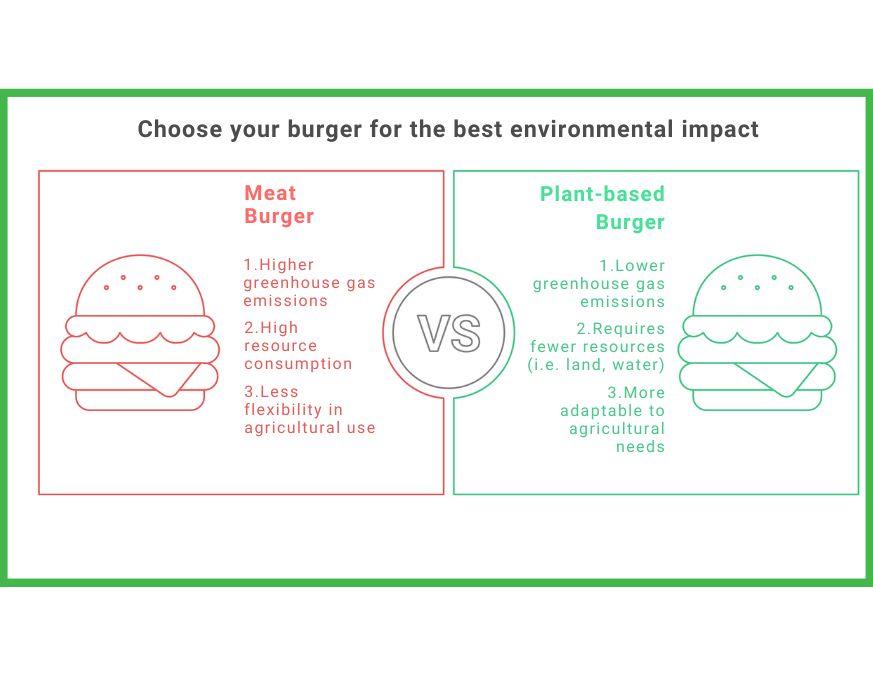
One of the core topics covered in the report is environmental impact. Plant-based burgers—alongside other meat alternatives such as sausages or soy- and pea-based nuggets—tend to be:
- Less polluting in terms of greenhouse gas emissions.
- Less resource-intensive, requiring less land and water.
- More adaptable to agricultural diversification, encouraging the cultivation of legumes (beans, peas, lentils, chickpeas) and grains.
The report underscores the EU’s need to reduce its reliance on imported proteins (especially for animal feed). Supporting the cultivation of legumes for human consumption would be a strategic move because it:
- Lowers the environmental footprint of agriculture.
- Enhances soil biodiversity.
- Strengthens food security by reducing dependence on raw material imports.
“Veggie burger” or “plant-based patty”? A (nearly) settled debate
One of the most debated issues in the report is labelling: does it make sense to call a 100% plant-based product a “burger”? Could this mislead consumers?
According to BEUC, most people do not feel misled, provided the label clearly states the product is plant-based (e.g., “vegan burger” or “soy burger”).
The European Court of Justice has ruled that member states cannot ban the use of terms like “sausage” or “burger” unless specific regulations define naming conventions. This decision helps prevent unnecessary trade barriers and ensures the free movement of goods within the single market.
Ultimately, as long as labels are transparent, using familiar terms (“burger,” “sausage,” “steak”) helps consumers make informed choices and immediately understand how to cook or incorporate these plant-based alternatives into their diets, just as they would with their meat-based counterparts.
A quick look at nutritional aspects
The report extends beyond sustainability to examine nutritional comparisons between plant-based alternatives and meat products based on tests conducted by various national consumer associations:
- Fat and salt: Many plant-based burgers contain less total and saturated fat than meat burgers, though some can be high in salt.
- Fibre: Plant-based burgers are the clear winner, offering fibre, which is virtually absent in meat.
- Protein: Some plant-based products provide protein levels comparable to beef or chicken burgers.
- Processing levels: Not all plant-based burgers are nutritionally ideal. Some contain additives, flavourings, and refined ingredients (flours, isolated proteins), while others prioritise whole foods (legumes, whole grains) for a healthier nutritional profile.
The key takeaway? Always read the label and opt for products with simple, high-quality ingredients.
A balanced diet remains essential, with whole plant foods (whole grains, fruit, vegetables, and legumes) playing an irreplaceable role.
Price and accessibility: the market’s challenge
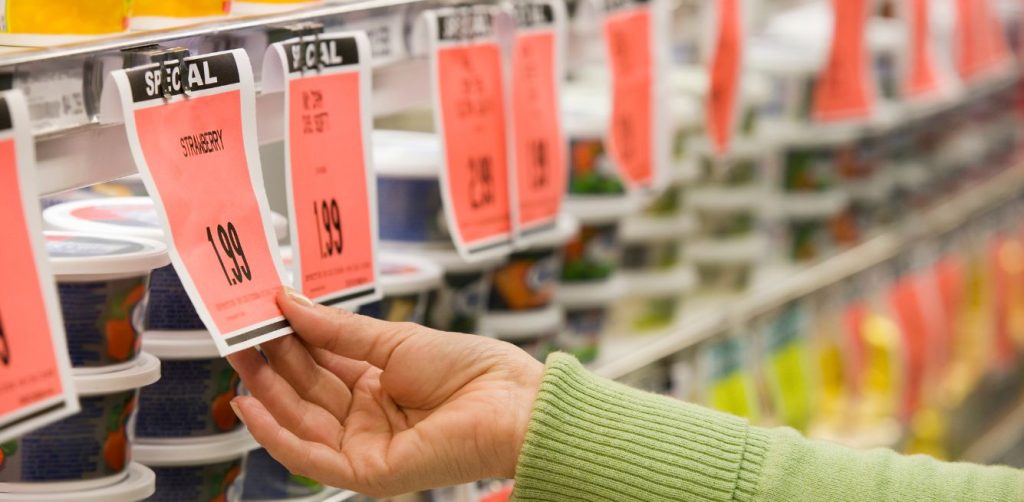
Price is a significant barrier to widespread adoption: plant-based alternatives often cost more than their animal-based counterparts (beef burgers, chicken sausages, etc.). BEUC notes that this price gap could hinder mass adoption, particularly during economic hardship.
However, some supermarkets in Germany and the Netherlands have tested price parity between plant-based and meat burgers, leading to a surge in plant-based product sales. According to the report, making these products more affordable could:
- Encourage plant-based choices among a wider audience, not just those already convinced.
- Reflect the environmental cost more accurately, making lower-impact foods more affordable.
Retail giants like Lidl (Germany and Belgium) and Jumbo (Netherlands) have already lowered the prices of their private-label plant-based products to match animal-based alternatives. Six months after implementing this strategy, Lidl Germany reported a 30% increase in sales of its plant-based range.
BEUC’s recommendations: policy and industry measures
In its latest report, BEUC outlines concrete actions for policymakers, the food industry, and major retailers to foster a more sustainable, diverse, and transparent food system:
- Integrating sustainability into national dietary guidelines
EU Member States should incorporate the environmental impact of food choices into their national Food-Based Dietary Guidelines (FBDGs) and encourage consumers to eat more fruit, vegetables, whole grains, and legumes. Greater emphasis should be placed on fresh, local, seasonal, and minimally processed foods. - Reducing processing levels and improving the composition of plant-based products
Food manufacturers should work to reduce the level of ultra-processing in plant-based meat and dairy alternatives while improving their formulations to ensure they provide essential nutrients such as iron, calcium, and vitamin B12. They should also limit the content of salt, saturated fat, and added sugars. - Making plant-based foods more price competitive
Retailers should aim to narrow—or ideally eliminate—the price gap between plant-based and animal-based foods. They should also improve the availability, shelf placement, and overall appeal of plant-based options to encourage consumers to choose them more easily. - Developing an EU Action Plan for plant-based foods
Following Denmark’s example and the recommendations of the Strategic Dialogue, the European Union should introduce a dedicated Action Plan to boost the production and consumption of plant-based foods—whether in the form of legumes, grains, and fresh vegetables or more advanced alternatives to animal products. - Avoiding unjustified bans on meat-like labelling
The EU and its Member States should refrain from imposing restrictions on meat-related terms (such as ‘burger’ or ‘sausage’) for plant-based products, as long as they are clearly labelled as ‘vegetarian’ or ‘vegan’ to prevent consumer confusion. - Supporting the cultivation of plant-based proteins
Member States should use their Common Agricultural Policy (CAP) Strategic Plans to encourage the production of legumes for human consumption, such as chickpeas, lentils, and beans. Fiscal measures, such as lowering VAT on these products, should also be implemented to stimulate demand.
Towards a more plant-based future: Osservatorio VEGANOK’s take
BEUC’s report highlights a pivotal shift in European food consumption. The growing demand for plant-based alternatives calls for strong support mechanisms to overcome structural challenges such as high prices and the underdevelopment of plant-based supply chains. This underscores the importance of an EU Action Plan for Plant-Based Foods, strongly advocated by VEGANOK/UNIVEGAN and AssoVegan, the Italian Vegan Association, alongside over 130 European organisations urging the European Commissioner for Agriculture and Food, Christopher Hansen, to take decisive action by 2026.
At Osservatorio VEGANOK, we believe that making these alternatives truly accessible to all requires:
- Clear, transparent communication to educate consumers about plant-based products and their uses.
- Bold public policies that reward plant-based innovation, local production, and ethical supply chains.
- A collective effort to align plant-based product prices with their animal-based counterparts, ensuring sustainability is accessible to all.
These measures are crucial to fostering a sustainable, ethical, and inclusive food transition. Osservatorio VEGANOK will continue monitoring developments, hoping that institutions respond with concrete, timely actions—because only then can we build a truly sustainable food future for all European citizens.