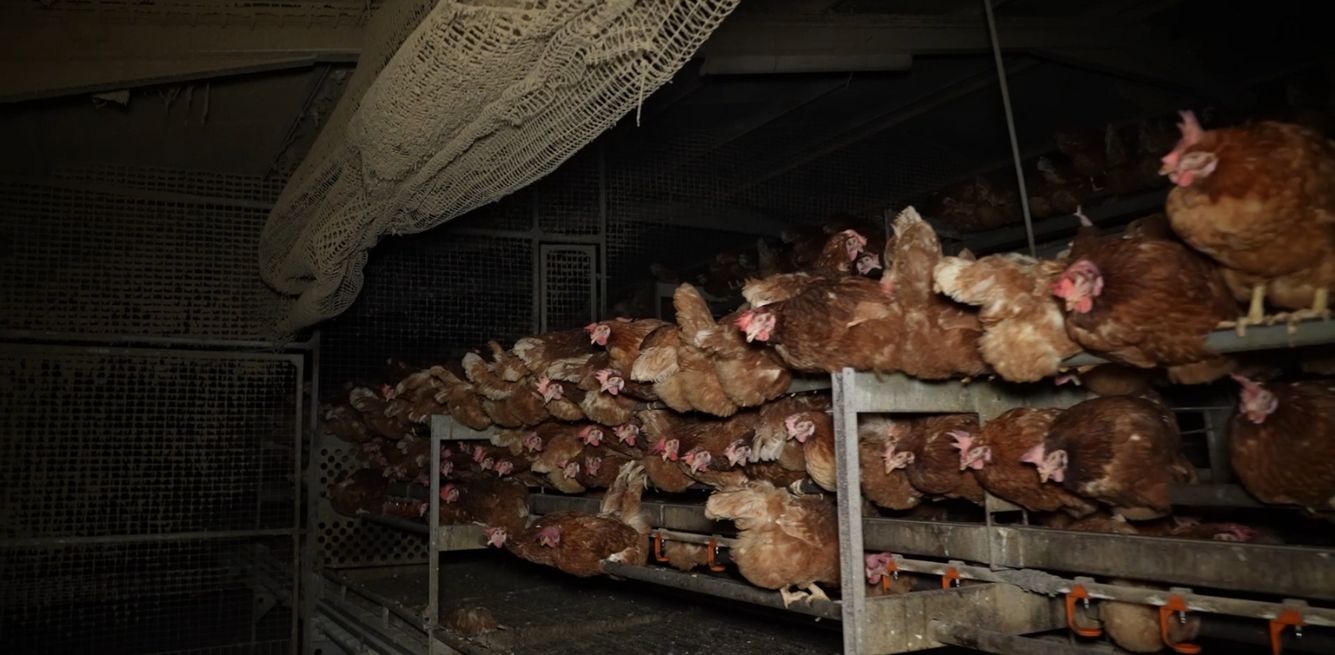


A landscape strewn with feathers, dust, and cobwebs; decomposing carcasses, larvae, rats—and even a hedgehog. This is the hidden reality inside the largest industrial laying hen farm on the island of Mallorca, now at the center of a damning investigation released by Food For Profit, featuring undercover footage captured by Spanish organization ARDE.
The footage, made public on May 29, shows the appalling conditions endured by more than 135,000 hens in a facility that supplies eggs to hotels and supermarkets across the island—despite never having obtained the required environmental permits to operate legally. Astonishingly, the farm has received over €380,000 in public funding from the European Union.
“Animal Welfare” only on paper
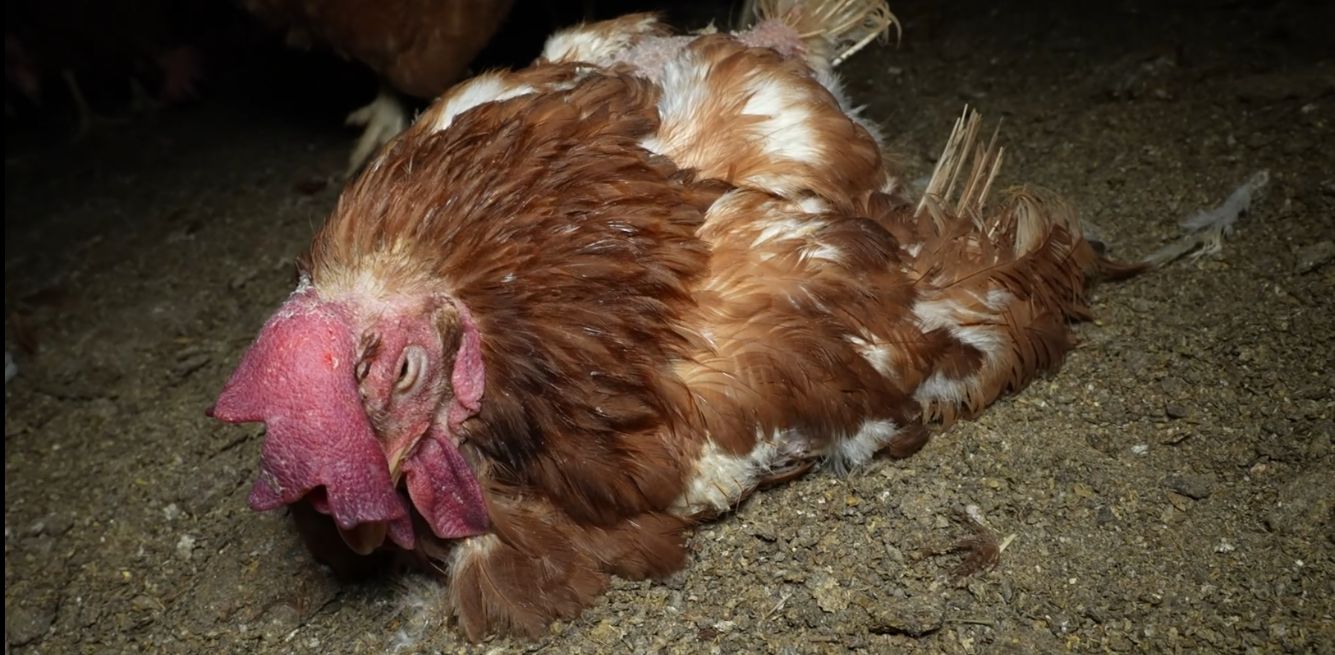
Operational since 2017, the facility boasts a Catalan certification for animal welfare. However, the evidence gathered by ARDE paints a far grimmer picture: hens crammed into filthy, poorly ventilated sheds, coexisting with dozens of decomposing carcasses—some showing signs of cannibalism. In some areas, containers filled with maggot-infested remains are stored next to living animals. The result is a major health hazard, posing risks not only to the animals but also to public health.
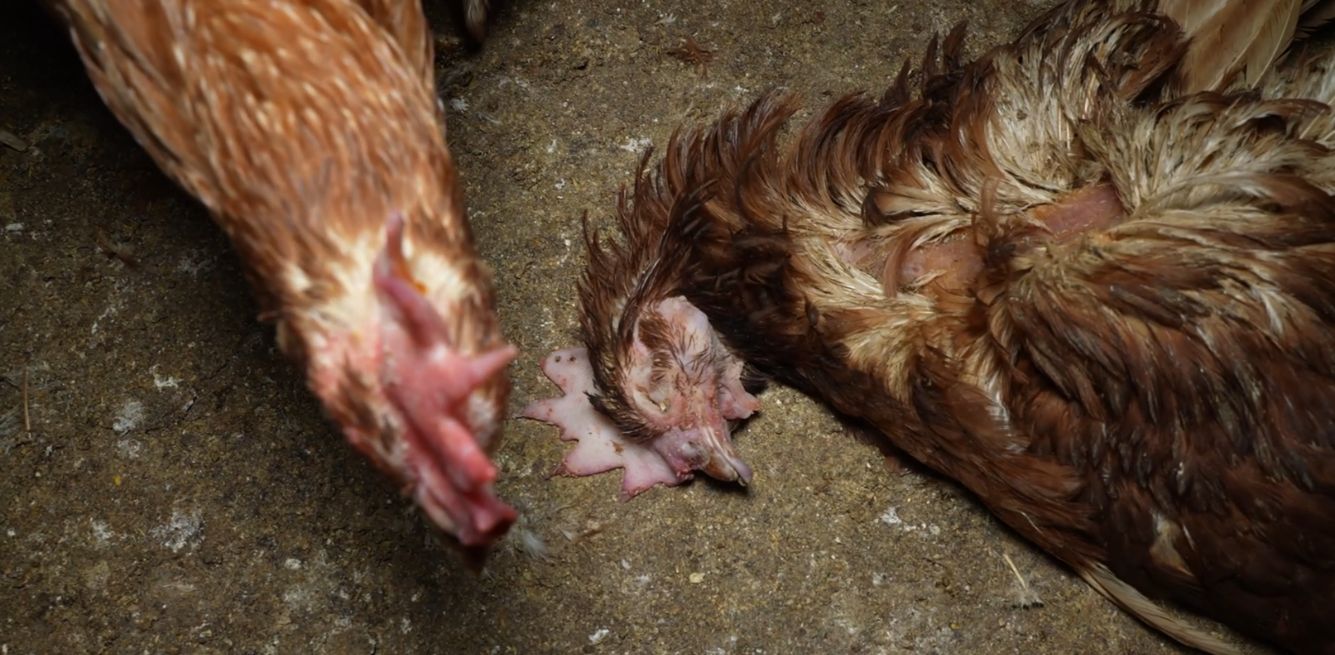
The “free-range” egg fraud
Beyond the appalling conditions, ARDE also accuses the farm of defrauding consumers. Eggs are allegedly being sold as “free-range,” even though the hens have reportedly never had outdoor access for the minimum six consecutive days required under EU law. This is a direct violation of regulations mandating daily outdoor access for eggs to qualify for that label.
Impact on the local community
The farm’s impact extends beyond its walls. Nearby, a 5,000-square-meter open-air manure pit has become a daily nuisance for local residents. For years, complaints have poured in about unbearable odors, swarms of flies, and health issues such as headaches, vomiting, and respiratory problems.
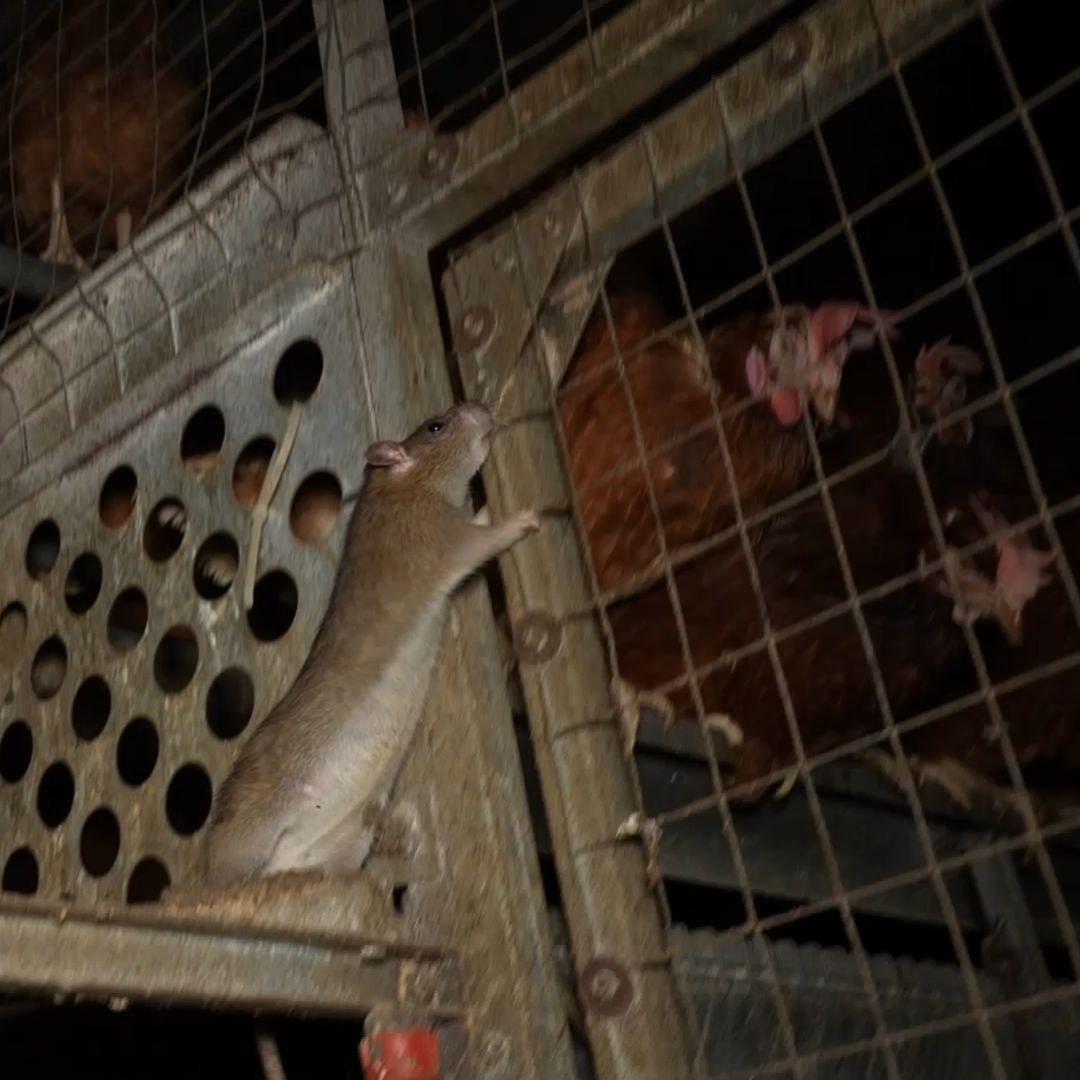
“Those sitting in Brussels need to understand exactly what they’re funding when they approve these subsidies—especially when it comes to intensive animal farming where animals live in critical conditions and operations are illegal,” says journalist Giulia Innocenzi. “European Union resources should be used to support the ecological transition, not to uphold production models that undermine the public good.”
The investigation brings a crucial question back into focus: Who is really benefitting from the public funds allocated to agriculture—and based on what criteria are these resources distributed?
Read also: Horse Meat: Italians Say No to Horse Meat