Plastic pollution: the alarming numbers.
Celebrated every year on April 22nd, Earth Day is a pivotal moment to reflect on our environmental impact and to promote global sustainability. Established in 1970 by American environmentalist Gaylord Nelson, this day aims to raise public awareness about environmental protection. This year, the spotlight is on plastic pollution—a pressing challenge threatening both land and marine ecosystems.
Plastic: a revolutionary material with a double edge
Plastic is a modern paradox—capable of transforming our way of life while simultaneously posing a serious threat to the global ecosystem.
This ambivalent material has enabled the safe storage and global transport of food, as well as the mass distribution of essential medicines like vaccines to billions of people.
Yet its omnipresence has reached even the most remote corners of the planet, infiltrating soil, oceans, and living organisms—from plankton to massive whales.
Today, the total mass of plastic on Earth exceeds that of all land and marine animals combined. A sobering reality.
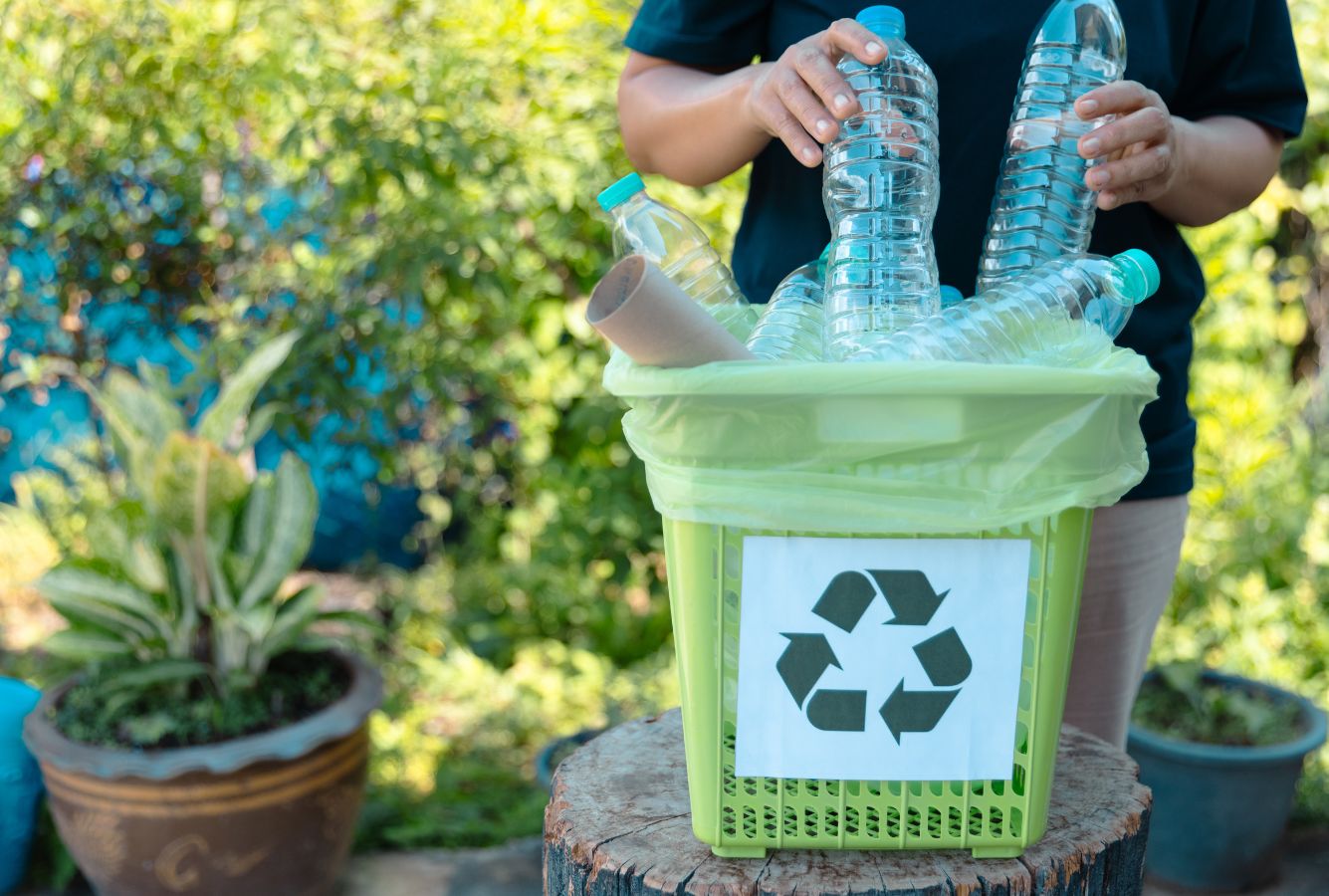
Rethinking our relationship with plastic
Images of plastic waste polluting the oceans and overflowing landfills have become disturbingly familiar.
While it’s easy to blame the material itself, the real issue lies in how we use it.
Plastic’s utility and versatility are undeniable—used in everything from car parts to life-saving devices to innovations in renewable energy. Originally developed in the late 19th century as an alternative to scarce natural resources like ivory, plastic production skyrocketed throughout the 20th century, giving rise to countless variations—from polystyrene to nylon—that have permeated nearly every aspect of modern life.
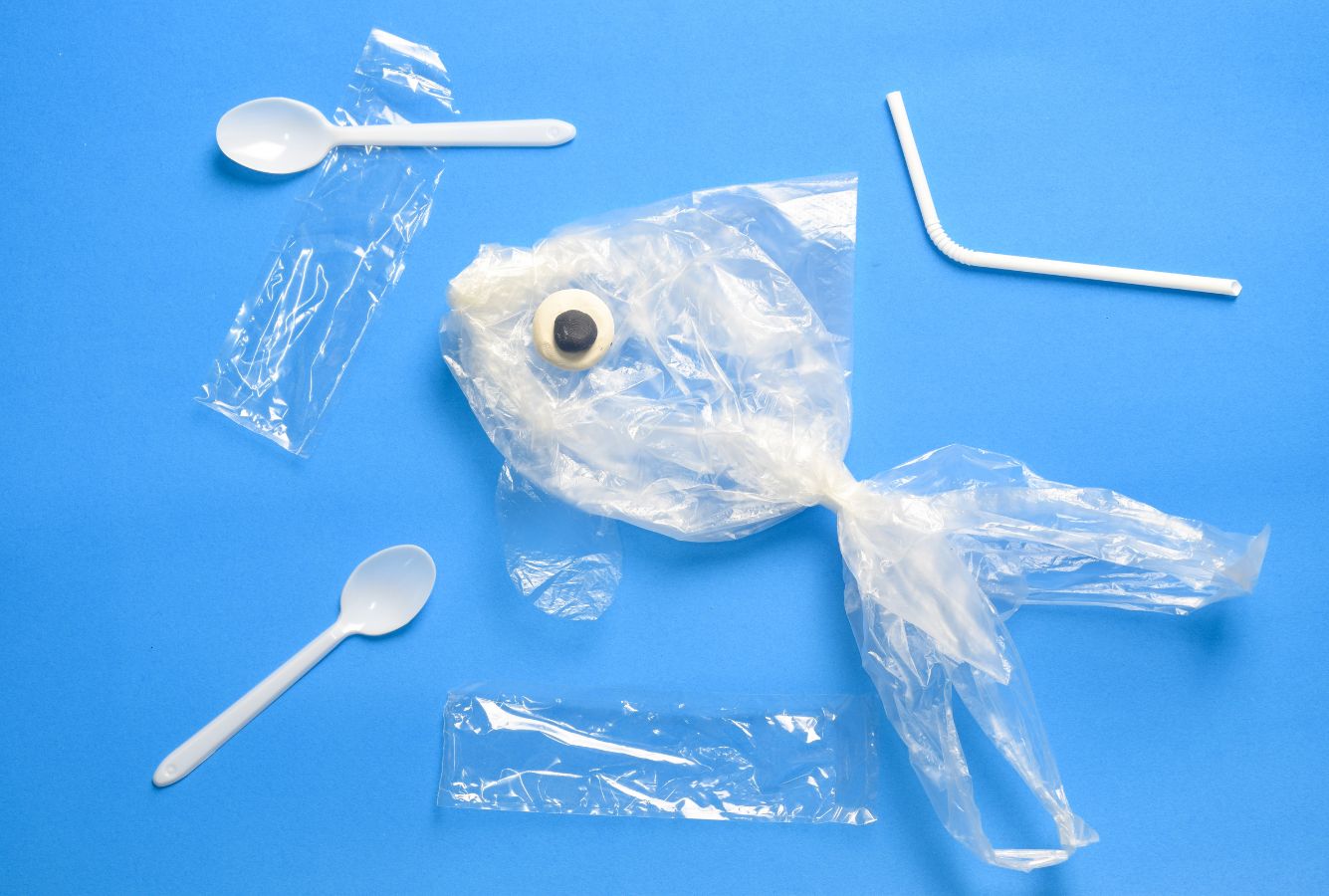
Look around: we live in a plastic world
The ease and low cost of plastic production have led to unsustainable consumption patterns with unexpected consequences. Plastic is now found not only in the ocean’s deepest trenches but also within living organisms, including humans, in the form of microplastics. And because most plastics are petroleum-based, they contribute significantly to global greenhouse gas emissions.
Recycling might seem like an obvious solution, but only a small percentage of plastic actually gets recycled. The problem is compounded by a lack of adequate infrastructure in many regions and by the degradation of material quality with each recycling cycle. Even the most ambitious ocean and river cleanup initiatives can’t keep pace with the sheer volume of single-use plastic we continue to produce and discard.
Biodegradable plastics, while promising, are not without problems. They can release greenhouse gases during decomposition and break down into microplastics that still infiltrate ecosystems.
One promising path forward is adopting a circular model for plastic—keeping materials in use as long as possible. This means not only reducing unnecessary plastic use, but also designing products that can be easily reused or recycled—transforming, for instance, a coffee cup into a piece of clothing, or a toothbrush into a travel accessory. By improving both design and material quality, we can envision an endless cycle of reuse, cutting down on both pollution and emissions.
But this transformation requires effort, innovation, and a renewed collective consciousness.
The challenge is enormous, but not impossible. We shouldn’t aim to eliminate plastic altogether. Its usefulness in medicine, technology, and beyond is indisputable. What we must do is change the way we consume—treating every object as something that matters and abandoning the mindset of disposable convenience. After all, in nature, there is no such thing as waste.
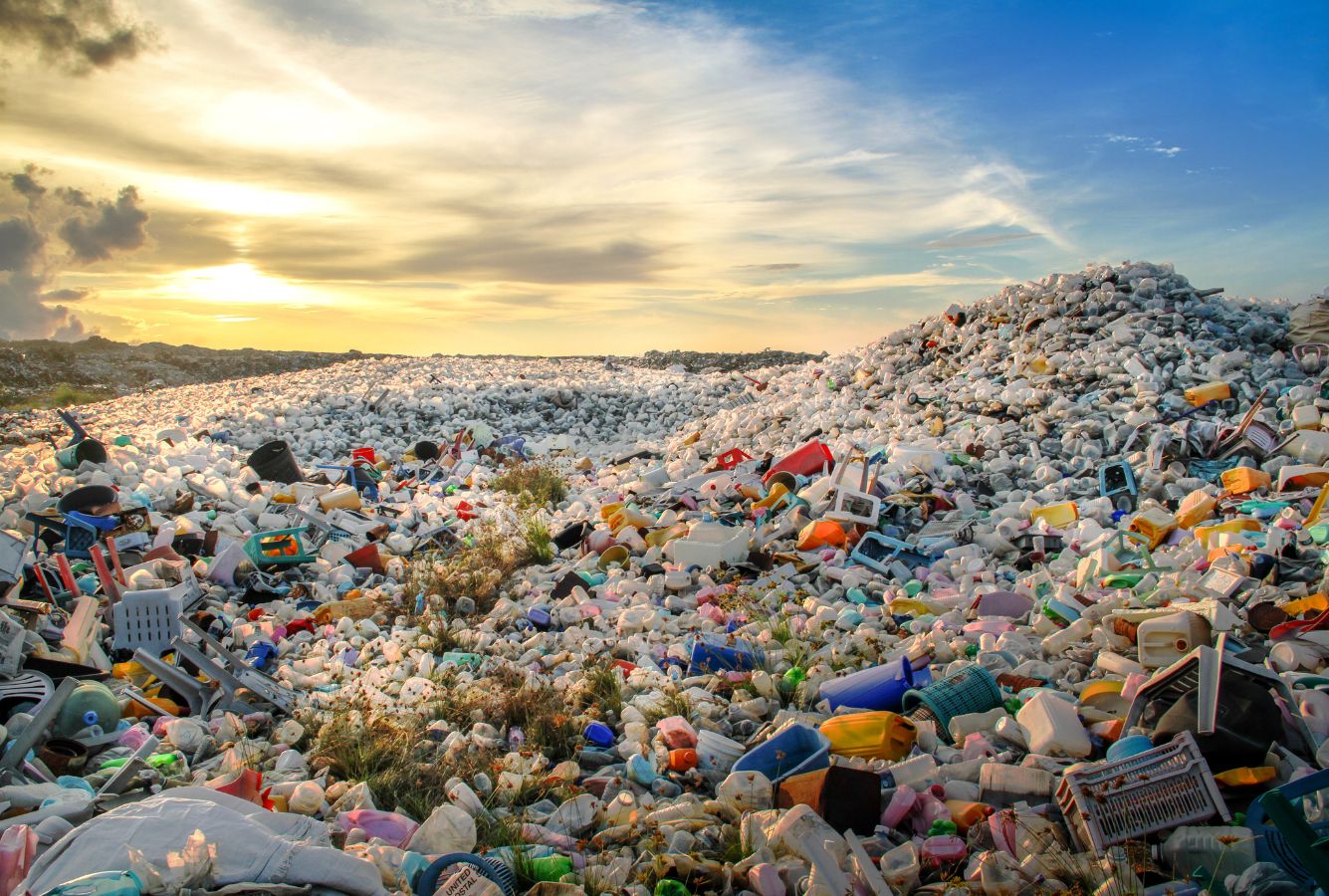
7 unacceptable facts about plastic pollution
According to the official Earth Day website and other institutional sources, the data is deeply concerning:
- Global plastic production has reached an estimated 460 million metric tons in recent years.
Source: Global plastic packaging industry – statistics & facts - An estimated 75 to 199 million metric tons of plastic currently pollute our oceans.
Source: Visual Feature - In the United States alone, 9.7 billion cigarette butts are discarded every year—4 billion of which end up in waterways. Cigarette butts make up nearly 20% of all litter.
Source: ncbi - By 2050, there will be more plastic than fish in the oceans by weight.
Source: Vancouversun - The 10 most commonly found items on beaches include: bottles, caps, cigarette butts, cotton swabs, sanitary pads, wrappers (chips and candy), cutlery, straws, balloons, and food containers.
Source: Europarlamento - Only 5% of the value of plastic packaging remains in the economy—the rest is literally thrown away.
Source: Europarlamento - Washing synthetic clothing accounts for 35% of all microplastics in the ocean, making it the single largest source of microplastic pollution globally.
Source: Earthday