Industrial fishing: what’s the real impact?
Beneath the vast blue surface that blankets our planet, a silent crisis is unfolding—one of unprecedented scale that threatens the very fabric of marine ecosystems.
Fueled by an apparently insatiable demand for seafood, industrial fishing is depleting marine life at a rate once unimaginable, pushing countless species to the brink and disrupting the balance of underwater habitats.
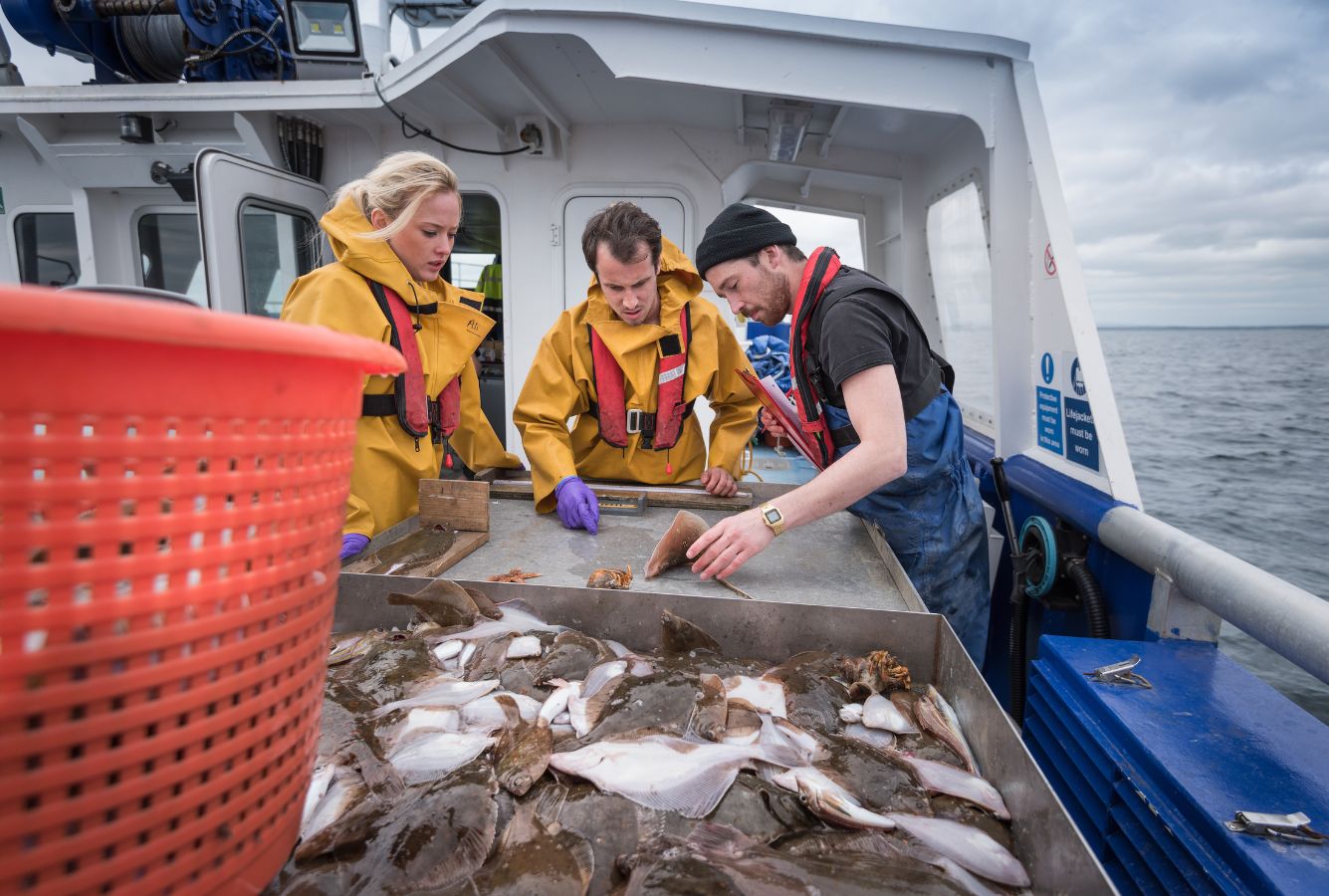
A joint study by Fishcount and Compassion in World Farming (CIWF), published in the journal Animal Welfare under the title “Estimating global numbers of fishes caught from the wild annually from 2000 to 2019”, sheds light on truly alarming numbers. According to their estimates, between 1.1 and 2.2 trillion wild fish are extracted from the oceans every year—a mind-boggling figure that surpasses the number of any other group of vertebrates used for human consumption or animal feed.
An ocean in peril: the numbers behind the crisis
The year 2019 marked a turning point in global awareness of the devastating effects of human activity on marine life. A closer look at the study reveals that in that year alone, wild-caught fish accounted for 87% of all vertebrates used for food—either for humans or animals.
This statistic not only highlights humanity’s heavy reliance on marine resources, but also reveals a deeply troubling truth: between 490 billion and 1.1 trillion of these living beings—many from small, ecologically vital species—are processed annually into fishmeal and fish oil.
These by-products aren’t destined for our plates. Instead, 70% of fishmeal and 73% of fish oil are used in aquaculture to feed other fish and crustaceans in intensive farming systems.
These figures paint a stark picture of large-scale marine exploitation. The transformation of such an enormous amount of marine life into feed for intensive agriculture raises serious questions about the long-term sustainability of a system that prioritizes productivity over the health of our oceans and the preservation of biodiversity.
Moreover, indiscriminate fishing practices jeopardize the stability of entire ecosystems, triggering ripple effects that endanger food security, ocean health, and ultimately, the wellbeing of the planet. The biodiversity loss caused by overfishing and non-selective harvesting undermines the delicate balance needed to sustain marine ecosystems, with potentially irreversible consequences for both the environment and global nutrition.
The ripple effect: biodiversity and ecosystem collapse
The relentless removal of billions of fish from the ocean each year has far-reaching impacts that go well beyond the simple reduction in species numbers. Large-scale fishing of small species—those at the very foundation of the marine food web—can lead to ecological collapse. These organisms, often overlooked in conservation efforts, are crucial to the health and balance of ocean ecosystems. Their depletion destabilizes entire food chains, affecting everything from tiny plankton feeders to top predators.
The loss of biodiversity also disrupts the functioning of marine ecosystems. Oceans are vital to the planet’s balance, playing a key role in climate regulation and absorbing massive amounts of carbon dioxide. But this ongoing erosion of biodiversity threatens to permanently alter these essential services, with consequences that stretch far beyond the environmental sphere:
- Compromised food security
- Weakened protection against natural disasters
- A direct impact on human wellbeing
The destruction of critical habitats—such as seabeds and coral reefs—is further accelerated by destructive practices like bottom trawling. These methods not only remove vast quantities of marine life but also physically alter the environments in which these species live, making recovery and regeneration far more difficult.
Ethics at sea: rethinking industrial fishing
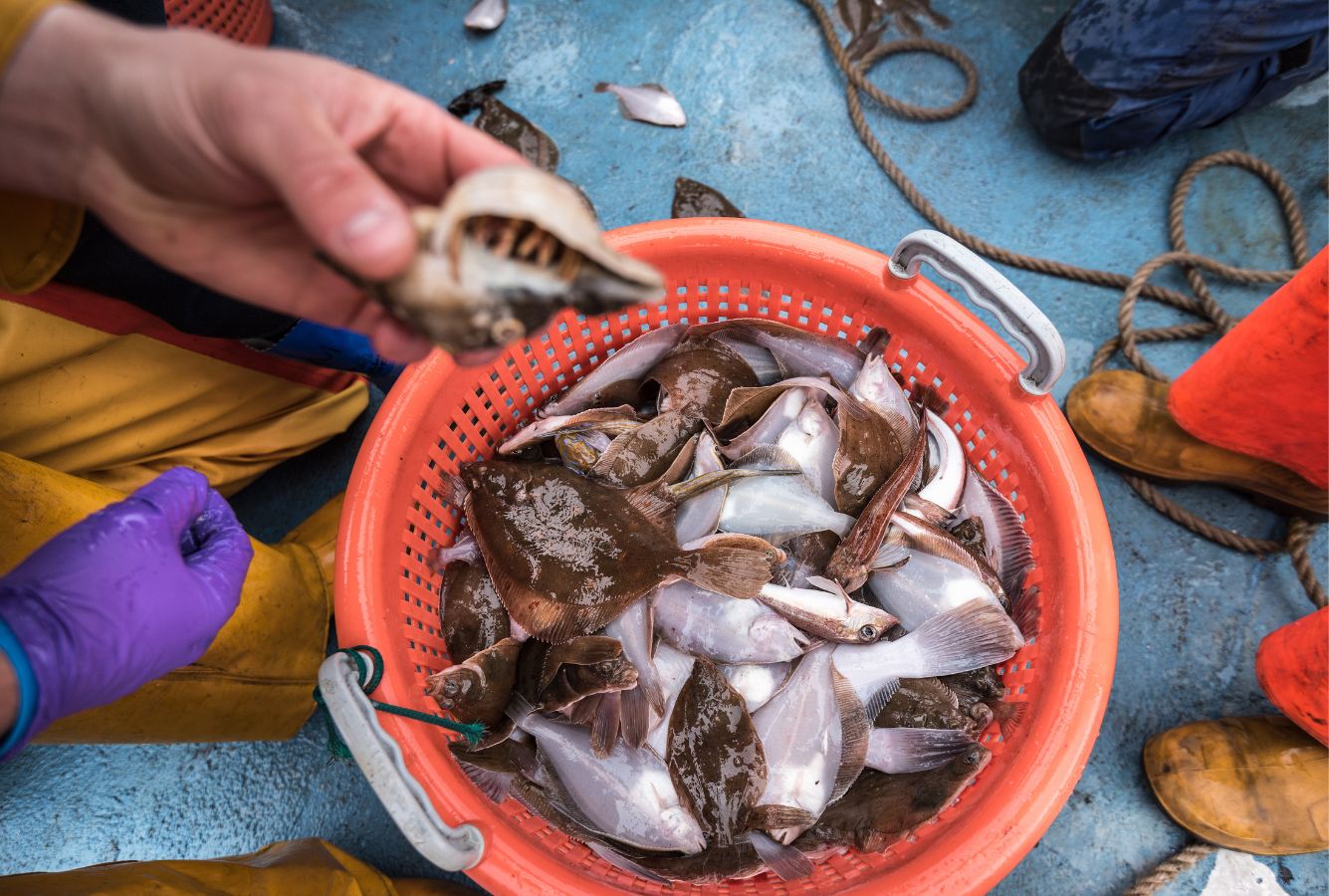
Industrial fishing—with its massive nets hauling in trillions of living beings each year—forces us to confront weighty ethical questions. Central to this reflection is the growing recognition of animal sentience and the need to consider fish as feeling beings, not just commodities. What emerges from the deep is a disturbing image: an industry that, in pursuit of profit, treats marine animals as expendable resources rather than sentient creatures deserving of compassion.
Phil Brooke, Fishcount representative and co-author of the study, draws attention to a largely ignored issue: the staggering number of wild fish caught annually, and the moral implications of such practices.
Our latest Fishcount study highlights the shocking number of wild fish caught each year, raising ethical concerns about both fishing practices and aquaculture. First and foremost, the welfare of wild-caught fish—both during and after capture—is severely compromised. Every single fish, whether large or small, can feel pain like other animals, yet during capture they are subjected to extreme suffering and slaughtered without stunning. Immediate action is needed.”
Brooke’s statement underscores a crucial yet often neglected aspect of modern fishing: the suffering of aquatic animals. While awareness of land animal welfare continues to grow, the plight of fish remains on the margins of ethical discussions. Wild-capture fishing not only causes mass mortality but also raises serious concerns about how these animals are treated from the moment they are caught to the moment they die.
Read also: The actual water footprint of meat