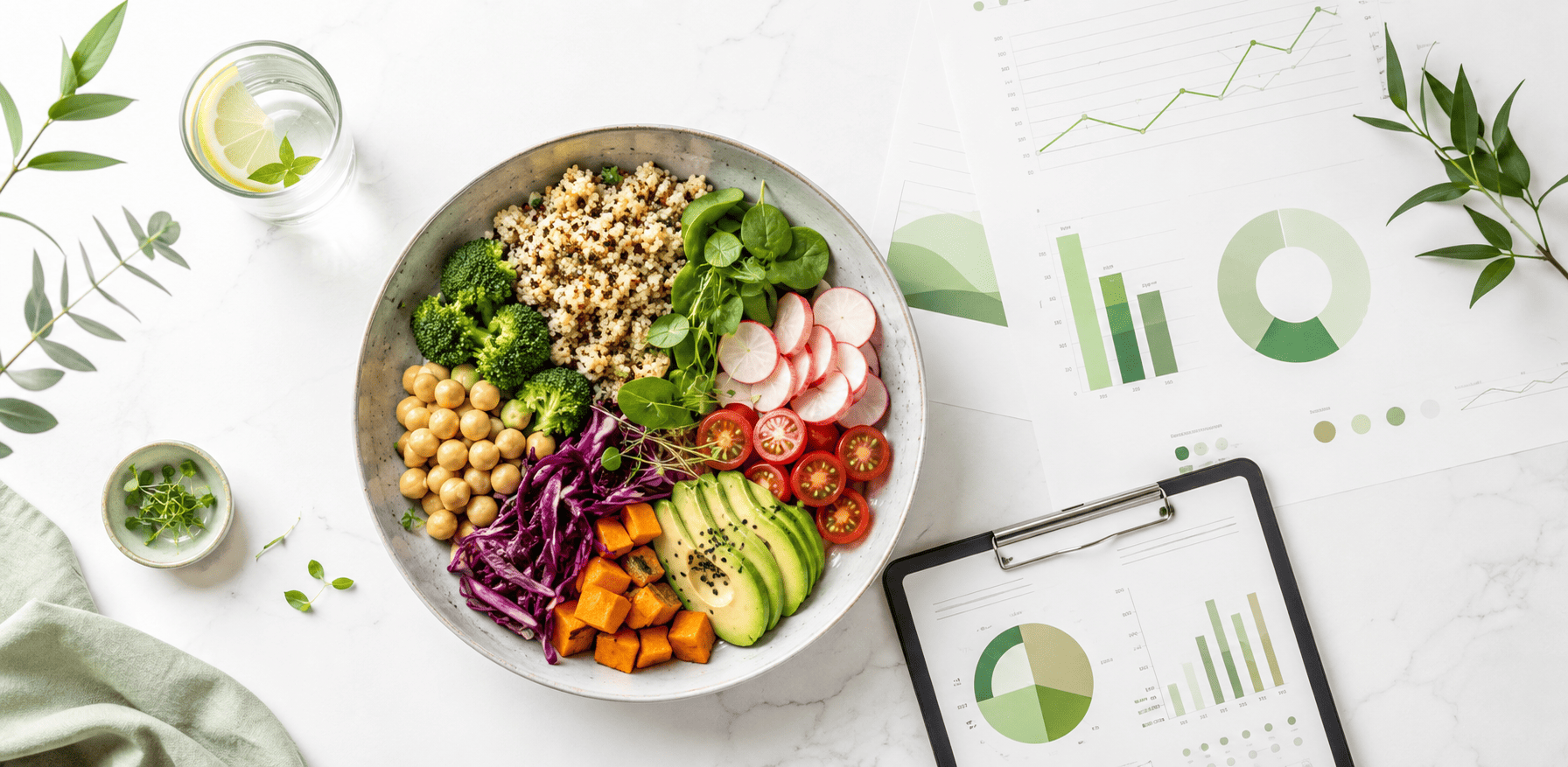


The global market for vegan products has experienced unprecedented growth in recent years. Forecasts predict that the global plant-based food sector will reach a value of $61.3 billion by 2028—nearly double what it was just a few years ago. This sharp rise reflects a worldwide surge in demand for cruelty-free food and beverages. In Europe alone, the plant-based retail market was worth around €5.8 billion in 2022, with a 21% increase since 2020. Italy, too, is playing its part: plant-based food sales reached approximately €680 million in 2022, up 9% from the previous year. These rising figures clearly show that veganism is no longer a niche trend—it’s becoming a well-established pillar of the global food industry.
From niche preferences to everyday habits
Consumer behavior is evolving alongside sales growth. While only a minority of people follow fully vegetarian or vegan diets (about 9.5% of Italians in 2024, including 2.3% who are vegan), everyday eating habits are shifting significantly. Over half of European meat eaters (51%) say they are actively reducing their meat consumption, opting more frequently for plant-based alternatives.
This trend is even more pronounced in countries like Italy and Germany, where 59% of the population reports cutting back on meat. This gives rise to the “flexitarian” consumer: someone who isn’t strictly vegan but increasingly integrates plant-based products into their diet. Even those who still eat animal products are exploring vegan options—plant-based burgers out of health curiosity, or soy and almond milk due to lactose intolerance or ethical concerns. According to Eurispes, nearly one in ten Italians now follows a meat-free diet, and the vegan population has more than tripled over the past decade. The shift is evident in supermarket aisles and restaurant menus: what was once a niche lifestyle is now becoming part of the everyday for a growing number of consumers.
The plant-based categories driving growth
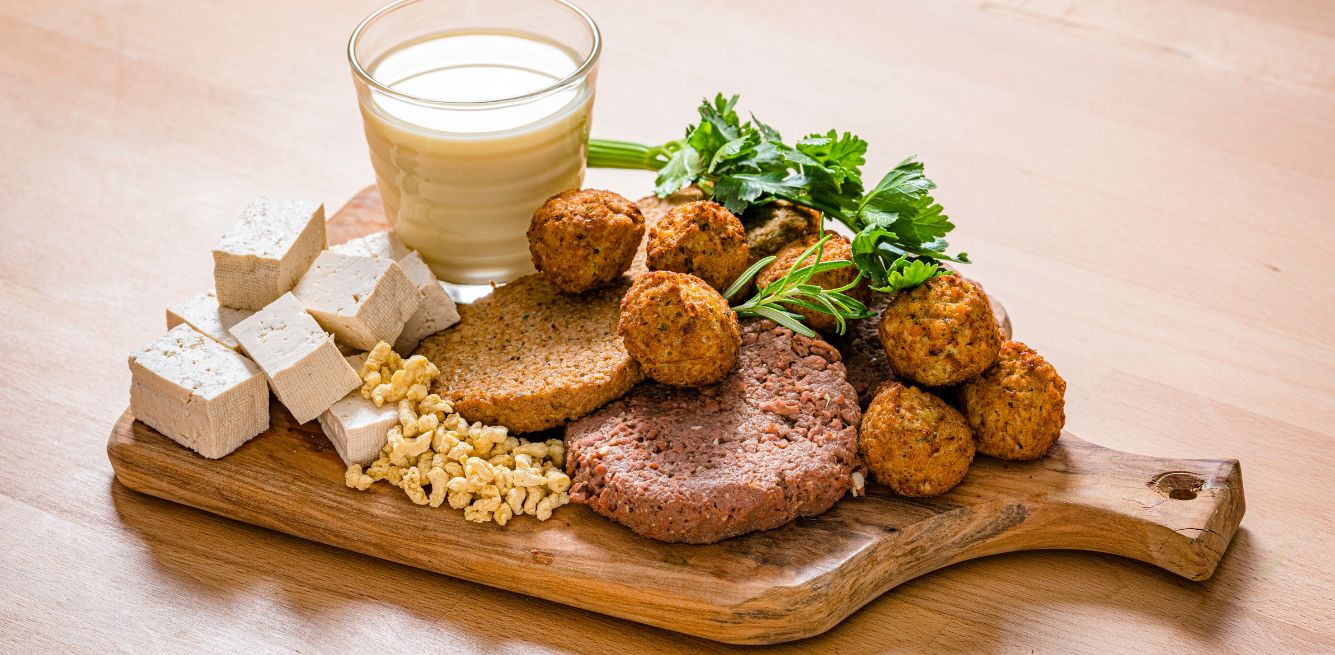
According to a report by the Good Food Institute, several key product categories are powering this plant-based surge. Plant-based beverages (soy, almond, oat milk, etc.) lead the way, with dairy alternatives now accounting for about 12% of the entire “milk” market in Italy. In 2022 alone, plant-based drink sales in the country exceeded €310 million. Next come plant-based meat alternatives—burgers, meatballs, legume-based cold cuts—generating €168 million in 2022 and rising to about €199 million in 2023, a 24% increase from 2021. These products are becoming increasingly convincing in terms of taste and texture, attracting both omnivores and flexitarians, and grew by over 12% in Italy in 2022.
Other sectors once considered unlikely are also expanding: vegan ready meals, plant-based cheeses, dairy-free ice creams, and desserts. Sales of 100% plant-based ready meals grew by more than 15% between 2021 and 2022, showing that consumers are looking for convenience without compromising on plant-based choices. “Vegan cheeses” and ice creams are also posting strong double-digit growth, even if they still represent a smaller market share.
Across Europe, the fastest-growing categories since 2020 include ready meals (+79%), plant-based fish substitutes (+326%, though still niche), and vegan cheeses (+56%)—evidence of an increasingly diverse product range. Overall, plant-based drinks and “fake meat” remain the market’s key drivers, alongside a growing array of new products—from dairy-free yogurts to egg substitutes—that are attracting broader consumer interest.
Clear signs of a mainstream shift
A number of indicators confirm that veganism has moved out of the niche and into the mainstream. Major markets like Germany and the UK are now posting billion-euro plant-based sales: Germany’s market is valued at around €2 billion (+16% in one year), while the UK’s is close to €1 billion. Italy now ranks third in Europe, with €680 million in annual sales—outpacing countries like France and Spain.
Eastern Europe is also seeing explosive growth: Poland, for example, reported a 54% increase—proof that this is a truly global trend. Another clear sign is the growing presence of vegan products on the shelves of mainstream supermarkets: major retailers now allocate significant space to plant-based options, often placing them alongside conventional counterparts (like soy milk next to cow’s milk).
In Italy’s dairy sector, plant-based products have already carved out a sizeable market share—something unthinkable just a few years ago. Foodservice and fast food chains are adapting too: international brands are rolling out plant-based burgers and vegan nuggets, while artisanal gelaterias are offering dairy-free flavors. Even major trade shows and media platforms are highlighting the vegan movement. As Sauro Martella, founder of VEGANOK, explains: “The numbers show that the transition to more ethical and sustainable lifestyles is no longer a fringe movement—it’s a global shift. Consumers are increasingly choosing products that respect health, the environment, and animals.”
In other words, veganism in food & beverage has evolved from a niche curiosity into the new normal for many—marking a cultural transformation that’s now clearly reflected in what people put in their shopping carts.
Read also: Germany and Alternative Proteins: An Industry Creating Value